
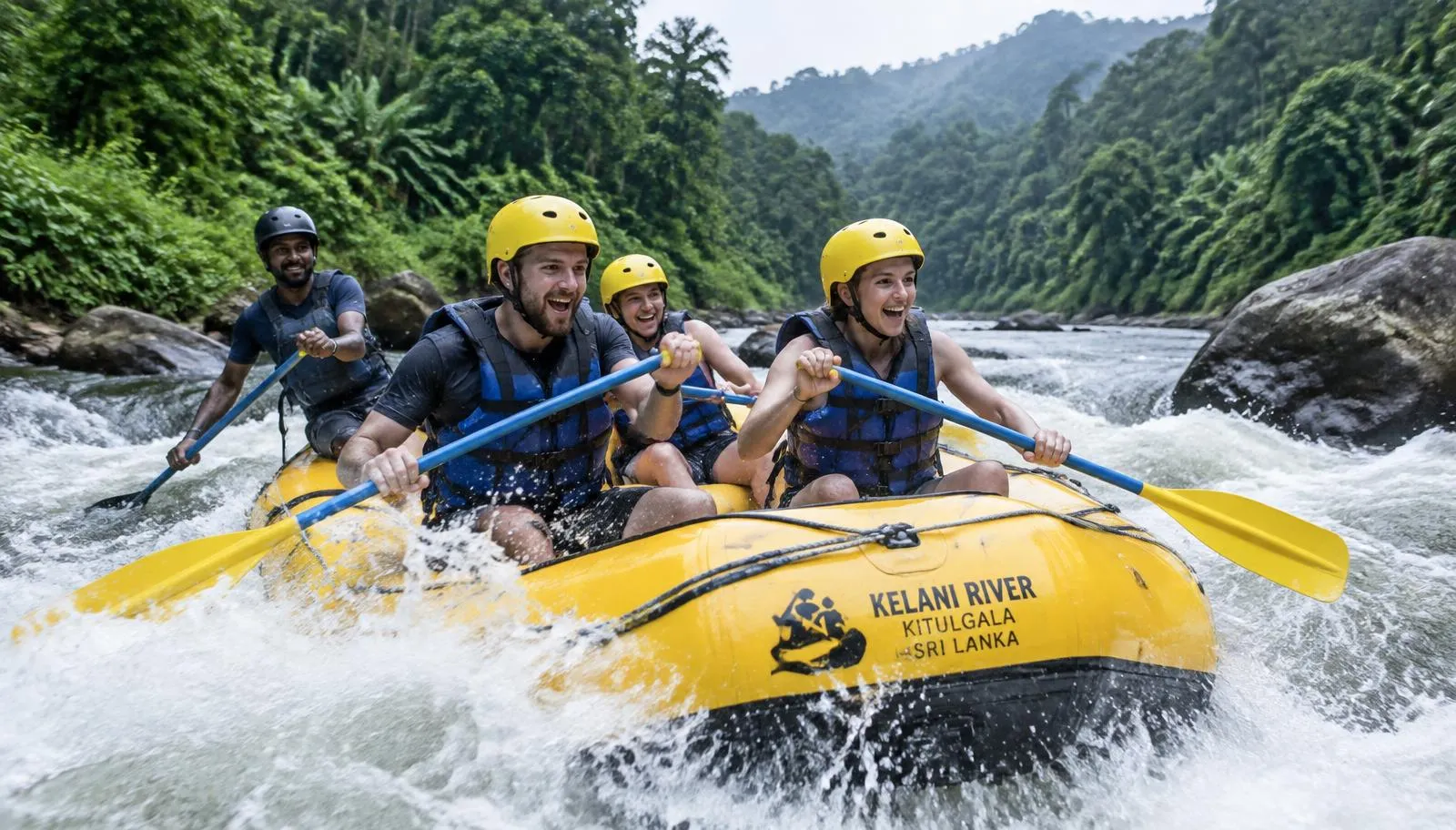
Kitulgala White Water Rafting
Embark on an exhilarating white water rafting journey down the Kelani River at Kitulgala, complete with comfortable private vehicle transfers and custom itinerary planning by Ashi Travels.
About this activity
Overview of Kitulgala Rafting on the Kelani River
Kitulgala rafting represents one of the premier outdoor adventure activities in Sri Lanka, drawing thrill seekers, active families, and nature enthusiasts to the verdant banks of the Kelani River. Situated in the wet-zone foothills of the central highlands, the small town of Kitulgala serves as the adventure capital of the island. The Kelani River carves its path through a deeply incised valley framed by towering bamboo groves, rubber plantations, and untouched lowland rainforest. As the river courses down toward the coastal plains, it surges over rocky outcrops and submerged boulders, generating a series of playful yet energizing Grade 2 and Grade 3 white water rapids.
Taking part in white water rafting sri lanka style means immersing yourself in a landscape that feels wild and untamed while remaining accessible to participants with little or no prior river experience. The standard commercial rafting stretch spans approximately five to seven kilometers, depending on river put-in spots and seasonal water flows. Along this run, paddlers encounter rapid drops interspersed with calm pools that allow you to catch your breath, admire the verdant canopy, and float in clean, temperate river water. The combination of easy access from major tourist centers and steady tropical warmth makes kithulgala white water rafting a consistent favorite for day-trippers and transit travelers crossing between the western coast and the central hill country.
Ashi Travels acts as your personal transport partner, ensuring that getting to and from this adventure hub is completely seamless. Rather than navigating public transit schedules or negotiating street taxis, you travel in the quiet comfort of a private, air-conditioned vehicle with a courteous chauffeur-guide. Ashi Travels coordinates your transport logistics, ensures safe storage for your dry clothing and luggage while you tackle the river, and liaises with local river activity providers so that your day flows without stress.
Why White Water Rafting in Sri Lanka Belongs on Your Itinerary
Many travelers associate Sri Lanka primarily with cultural heritage triangles, tranquil tea plantations, or golden sand beaches. While those elements are exceptional, the island possesses an equally dramatic adventure profile. The topography drops sharply from elevations exceeding two thousand meters in the central massif down to sea level, creating fast-draining river systems that feed lush valleys. Kelani river rafting stands out because it offers an adrenaline rush directly against a backdrop of dense biodiversity.
Unlike cold-water mountain rivers in temperate zones that require heavy neoprene wetsuits and can cause immediate chill, the Kelani River runs comfortably warm year-round. Taking a splash or dropping into the water for a floating session feels refreshing rather than freezing. Furthermore, the rapids here provide an ideal balance of excitement and safety. They are vigorous enough to deliver legitimate thrills, bow splashes, and teamwork demands, yet forgiving enough that beginners, corporate teams, and older children can participate under the watchful instruction of skilled river guides.
Adding this river excursion to your journey breaks up long road trips between Colombo and Nuwara Eliya or Kandy. Instead of spending an entire day looking out of a window, you break the journey with physical activity, fresh river air, and unforgettable memories. It also introduces travelers to the local economy of Kitulgala, where river running has become an integral livelihood for certified river guides, safety kayakers, and hospitality staff.
Where Kitulgala Is Located and How to Reach It
Kitulgala is located in the Sabaragamuwa Province of Sri Lanka, roughly midway between the western coastline and the tea-carpeted mountains of Nuwara Eliya. It sits along the A7 highway, which connects Avissawella to Hatton and Nuwara Eliya. Because the route traverses hilly terrain characterized by sharp bends, winding ascents, and occasional roadworks, driving times can be deceiving if judged purely by kilometer distance.
Having a dedicated private vehicle from Ashi Travels allows you to travel safely and efficiently while enjoying panoramic views of lush countryside. Below are realistic, approximate transit times from common hubs across the island:
- From Colombo City Center: The distance is approximately 85 to 95 kilometers. A private car or van typically takes around 2.5 to 3.5 hours, navigating via the low-country roads through Kaduwela, Hanwella, and Avissawella before entering the scenic river valley.
- From Bandaranaike International Airport (CMB) at Katunayake: The drive spans around 80 to 90 kilometers and usually takes between 2.5 and 3.5 hours. Traveling directly from the airport to Kitulgala is an increasingly popular way for active visitors to kick off their Sri Lanka holiday immediately upon arrival.
- From Kandy: Located roughly 60 to 70 kilometers to the northeast, Kandy is connected to Kitulgala via Gampola and Nawalapitiya or through Peradeniya. This drive generally takes around 2 to 2.5 hours through picturesque hillside farming communities.
- From Nuwara Eliya: Driving down from Nuwara Eliya covers around 75 to 80 kilometers of dramatic mountain descents past the famous St. Clair and Devon waterfalls. The downhill journey takes approximately 2.5 to 3.5 hours by private car.
- From Galle and the Southern Coast: Reaching Kitulgala from Galle, Mirissa, or Bentota typically entails using the Southern Expressway toward Kaduwela or Dodangoda before cutting inland. Plan for an approximate journey of 3.5 to 5 hours depending on your exact coastal starting point.
Public buses do run along the A7 corridor, but they are often crowded, offer no space for bulky luggage, and lack air-conditioning. Hiring a private vehicle through Ashi Travels guarantees flexible timing, clean transport, and door-to-door convenience.
The Kelani River: Rapids, Ecology, and Film Heritage
The Kelani River is the fourth longest river in Sri Lanka, originating high in the Horton Plains and Peak Wilderness sanctuary before emptying into the Indian Ocean near Colombo. Along its upper stretches near Kitulgala, the river retains incredible clarity and vitality. The banks are heavily cloaked in native riverine forests, gigantic bamboo stands that arch over the water, and steep hillsides blanketed in rubber trees and wild greenery.
This specific segment of the river gained international renown in the 1950s when legendary director David Lean chose Kitulgala as the primary filming location for his multi-Academy Award-winning masterpiece, The Bridge on the River Kwai. Although the plot was set in Thailand, the dramatic topography of the Kelani River valley offered the cinematic grandeur Lean required. An enormous wooden bridge was constructed across the river right here in Kitulgala, only to be famously blown up during the movie's climax. While only concrete foundation remnants and underwater steel fragments remain today, floating past the historic bridge site provides a fascinating glimpse into cinematic history.
Beyond Hollywood fame, the river ecosystem supports rich biodiversity. As you paddle, you may spot endemic birds flitting between the riverside trees, such as the Sri Lanka hanging parrot, the chestnut-backed owlet, and the spot-winged thrush. Giant water monitors regularly sun themselves on river rocks, while schools of freshwater fish navigate the clear eddy lines. Preserving this delicate ecological corridor is essential for the long-term health of the entire catchment area.
Best Time and Season for Kelani River Rafting
White water rafting in Kitulgala is technically possible throughout almost the entire year, thanks to the tropical climate and the steady water supply flowing out of the central highlands. However, water volumes and rapid intensity fluctuate depending on rainfall patterns and hydro-electric dam releases further upstream.
Sri Lanka experiences two primary monsoon seasons: the Southwest Monsoon and the Northeast Monsoon. Because Kitulgala sits on the western slopes of the central hills, it receives direct moisture from the Southwest Monsoon, which typically runs from May through September. During these months, rainfall can be frequent and heavy, causing the river to swell. Rapid volumes expand, turning standard runs into high-adrenaline surges with powerful hydraulics and large standing waves. On days of intense torrential rain, the river may occasionally rise past safe operating thresholds, prompting operators to pause activities temporarily until water levels recede.
The drier months, running from December through April, present calmer conditions. River levels drop slightly, exposing more technical rock gardens and requiring precise maneuvering around boulders. During this period, the water is generally clearer, rapids settle into manageable Grade 2 and mild Grade 3 categories, and the chances of bright sunshine throughout your descent are very high. This dry window is particularly well suited for beginners, families with children, and those who want a balanced mix of light thrills and leisurely swimming.
Hydro-power stations upstream on the Kelani system also regulate river flow through daily water releases. Local river outfits stay in constant contact with station managers to time the morning and afternoon rafting runs during optimal river volume windows. Seasons, water releases, and current weather play a major role in day-to-day conditions, so Ashi Travels always recommends checking in via WhatsApp before setting out to confirm real-time river status.
What to Expect Step by Step on Your Rafting Excursion
Understanding the rhythm of a rafting day helps ease any pre-trip nervousness and ensures you arrive fully prepared. Here is a detailed breakdown of what a typical white water rafting experience looks like from start to finish.
First, you arrive at the river base station in Kitulgala. Your Ashi Travels driver parks in the secure staging area, where you can leave all dry clothing, passports, wallets, and non-waterproof electronics safely locked in the vehicle. You change into your river attire and meet the river team. Each participant is issued a certified high-buoyancy personal flotation device (life jacket) and an adjustable safety helmet. Guides inspect every buckle and strap to guarantee a snug, secure fit.
Next, you proceed to the riverbank put-in point. Before entering the raft, the head river guide conducts an essential safety demonstration. You will learn the fundamental paddling commands, including Forward, Backward, Stop, and Get Down. The guide demonstrates how to hold your T-grip paddle properly to avoid accidental contact with fellow paddlers, how to lean into waves, and what to do in the unlikely event that you fall overboard. The golden rule is simple: if you find yourself in the water, turn onto your back with feet pointed downstream to deflect off rocks, keeping your life jacket high and listening for the guide's rescue commands.
Once everyone boards, the raft pushes out into the river current. The standard trip starts with a calm stretch allowing paddlers to practice timing and strokes together as a synchronized team. Soon, the distant rumble of rushing water signals the approach of your first rapid. The guide steers from the stern, shouting commands as the raft drops into churning foam.
Over the course of the five to seven kilometer run, you will conquer multiple distinct rapids, each possessing its own unique personality and local nickname:
- The Virgin Breast: A punchy, energetic rapid with rolling white waves that crash squarely over the bow, providing an instant soaking and waking up the whole crew.
- Head Chopper: Named humorously for a low-hanging rock ledge on the riverbank that paddlers must easily duck away from, this rapid features rapid drops and spirited hydraulic action.
- Butter Crunch: A series of rhythmic, bouncy waves that toss the raft gently while testing your forward paddle power.
- Killer Fall: Despite its daunting name, this is a thrilling drop into a deep, foamy pool where the raft plunges down before popping back up amidst loud cheers.
- Rib Cage: A technical chute requiring responsive paddle strokes to steer through submerged rock passages and eddy lines.
Between these dynamic white water sections, the Kelani River widens into serene, calm pools. In these safe zones, the guide will invite you to jump out of the raft and try river body surfing. Floating on your back while wearing a life jacket, you drift lazily downriver with the current, staring up at the dense green jungle canopy and hearing the calls of tropical birds. It is often described as one of the most relaxing parts of the entire journey.
Finally, the raft reaches the designated pull-out point downriver. You pull the boats ashore, hand in your paddles, and take a short vehicle transfer or walk back to the base station. There, you can take a warm freshwater shower, towel off, change into comfortable dry clothes, and sit down for a well-earned Sri Lankan lunch or cup of Ceylon tea overlooking the river.
Safety Standards, Fitness Requirements, and Suitability
Safety is the absolute priority when engaging in any river sport. Kitulgala has operated as an adventure destination for decades, and local river operations have developed standardized protocols to safeguard participants. Most reputable operators utilize heavy-duty, multi-chamber inflatable rafts made from durable hypalon or reinforced PVC, meaning that even if one chamber suffers an abrasion, the raft retains its overall buoyancy and structure.
Every participant is outfitted with a specialized whitewater life jacket designed to keep your head well above water, regardless of swimming ability, alongside a rigid impact helmet. Professional guides sit at the back of each craft, using specialized guide paddles to steer and manage the raft's angle through turbulent water. On runs with higher water volumes, safety kayakers often accompany the rafts, paddling ahead to position themselves in downstream eddies ready to assist anyone who slips out.
Regarding fitness levels, white water rafting in Kitulgala is accessible to most individuals with moderate general mobility. You do not need to be an Olympic athlete or possess previous paddle experience. The physical effort comes in short bursts of thirty to sixty seconds of energetic paddling through rapid sections, followed by restful floating periods.
Do you need to know how to swim? Generally, non-swimmers can safely participate on standard commercial trips because the life jacket provides strong buoyancy, and guides are thoroughly trained in swift-water rescue techniques. However, non-swimmers must inform the river guide prior to launch so the crew is fully aware. Anyone with severe cardiac conditions, chronic back or neck injuries, or individuals who are pregnant should refrain from running the rapids due to sudden jolts and jarring movements when hitting standing waves.
Age limits depend on seasonal water levels. Under normal dry-to-moderate flow conditions, children aged ten and older can typically join the full river run. When water levels are unusually low, even younger children may participate on calm lower stretches, whereas high monsoon flows may require operators to raise the minimum age to fourteen or sixteen for safety reasons. Ashi Travels can help verify age limits and river conditions via WhatsApp prior to booking.
What to Wear and What to Bring
Packing correctly makes a significant difference in your overall comfort before, during, and after your river session. Because you will get completely soaked from head to toe, choosing the right fabrics and footwear is paramount.
Recommended clothing to wear on the river includes:
- Quick-drying shorts, board shorts, or lightweight athletic leggings.
- A synthetic rash guard, dry-fit t-shirt, or activewear top that offers sun protection while wet.
- Avoid heavy cotton fabrics, denim shorts, or thick sweatpants, as cotton holds water, becomes heavy, and makes you feel cold quickly.
- Footwear that stays securely strapped to your feet, such as water shoes, amphibious sandals with heel straps, or old running sneakers. Do not wear flip-flops, thongs, or loose slide sandals, as the river current will instantly sweep them away.
Essential items to pack in your day bag and leave in your Ashi Travels vehicle:
- A complete change of dry clothing, including fresh underwear and dry socks.
- A clean bath towel for drying off after your post-rafting shower.
- Waterproof sunscreen to apply before heading onto the water, as tropical sun reflection off river surfaces can be intense.
- Any required personal medications, such as asthma inhalers, which can be stored in the guide's waterproof dry barrel if needed during the run.
- Plastic bags or a laundry bag for carrying your wet, dripping clothes back to your hotel.
What not to bring on the raft:
- Leave expensive wristwatches, gold chains, diamond rings, and loose jewelry in your locked hotel safe or inside your vehicle. River turbulence can easily pull loose items away.
- Do not bring regular mobile phones or cameras unless they are certified waterproof action cameras mounted securely to your helmet or chest harness. Many phones resting in unrated waterproof pouches currently sit at the bottom of the Kelani River.
Responsible and Ethical Adventure Tourism in Kitulgala
Tourism has become the lifeblood of the Kitulgala community, but maintaining the health of the local ecosystem requires conscious, responsible choices from travelers and operators alike. The Kelani River valley supports fragile flora and fauna that suffer when uncontrolled waste or reckless behaviors take hold.
First and foremost is the principle of strict zero-waste management. Never discard plastic bottles, snack wrappers, cigarette butts, or tape into the river or along the put-in and take-out points. Even small bits of plastic can be swallowed by river life or washed downstream into agricultural irrigation systems. Ashi Travels encourages all guests to bring reusable water bottles and take all personal rubbish back to the vehicle for responsible disposal.
Second, respect the riverside communities. The Kelani River is not merely an adventure playground; it is also a vital natural resource for local villagers who use it for bathing, washing, and small-scale domestic water supply. When passing village washing ghats or quiet homes along the riverbanks, be respectful of local cultural modesty. Avoid overly revealing swimwear when walking through public village access paths before or after the activity; wrapping a sarong or pulling on a t-shirt over your swimwear shows cultural consideration.
Finally, supporting authentic local livelihoods matters. The experienced river guides and boatmen who navigate these waters have spent their lives studying the currents, rocks, and safety patterns of the Kelani River. Ashi Travels partners with established local outfitters who employ certified regional guides, pay fair living wages, and maintain equipment properly. Tipping your boat guide and safety kayaker directly after a great run is a wonderful, direct way to express gratitude and strengthen the local community.
Other Top Things to Do in Kitulgala and Nearby
While white water rafting is the undisputed centerpiece, the area boasts a wide selection of eco-adventure pursuits. If you have extra time in your itinerary, you can easily combine your rafting run with several other memorable things to do in kitulgala:
- Natural Waterfall Abseiling: For an added rush, travel a short distance up the tributaries to rappel down the sheer face of a cascading waterfall such as Handun Ella. Secured by climbing harnesses and guided by safety instructors, you descend through rushing white water down slick granite rock faces.
- Canyoning and Confidence Jumps: Further up the river ravines, participants can explore natural rock pools. This activity involves trekking through the jungle stream, sliding down smooth natural rock chutes worn smooth over centuries, and leaping from heights ranging from three to eight meters into deep, crystal-clear jungle plunge pools.
- Makandawa Rainforest Bird Watching: Directly across the Kelani River lies the Makandawa Forest Reserve, one of the oldest and most significant wet-zone forest reserves in Sri Lanka. Crossing the river via a local suspension bridge or traditional dugout canoe brings you to quiet jungle paths where seasoned birders can spot rare endemics including the Serendib scops owl, green-billed coucal, and Sri Lanka blue magpie.
- Belilena Prehistoric Cave: Located roughly eight kilometers from Kitulgala town, this massive archaeological cave site yielded the skeletal remains of the prehistoric Balangoda Man (Homo sapiens balangodensis), estimated to date back tens of thousands of years. The scenic walk up through tea and rubber estates makes it an intriguing historical detour.
- Bopath Ella and Forest Bathing: Travelers heading south toward Ratnapura can detour toward stunning waterfalls like Bopath Ella, enjoying tranquil forest walks and riverbank dining.
How to Integrate Kitulgala into Your Sri Lanka Itinerary
Because of its geographic position, Kitulgala functions exceptionally well as an active transit stop between different highlights of Sri Lanka. Rather than taking a dedicated out-and-back day trip, many savvy travelers design their route so that Kitulgala forms a dynamic bridge between regions.
Route Option 1: Colombo or Negombo to Kandy via Kitulgala Start your morning with hotel pickup in Colombo or the airport area. Drive roughly three hours inland to Kitulgala, complete your morning rafting adventure, enjoy a riverside lunch, and then continue your drive upward toward Kandy via Nawalapitiya. You arrive at your Kandy hotel by late afternoon, turning a standard transfer day into an exhilarating adventure.
Route Option 2: Kandy to the Southwest Beaches via Kitulgala If you are wrapping up your cultural exploration in Kandy and heading down to the golden beaches of Bentota, Hikkaduwa, or Galle, traveling via Kitulgala allows you to split the four to five hour drive into manageable chunks. Stop mid-morning for rafting and canyoning, freshen up, and then cruise comfortably down toward the coast in time for sunset dinner by the ocean.
Route Option 3: Nuwara Eliya Descent to Colombo Departing the cool highlands of Nuwara Eliya, descend the A7 winding road through tea estates, pausing to photograph St. Clair Falls. Reach Kitulgala around midday for rafting, and finish your journey into Colombo by evening.
Ashi Travels can customize pick-up locations and final drop-offs to align perfectly with your bespoke holiday plans. Simply share your existing schedule over WhatsApp, and your private transport will be tailored accordingly.
How Ashi Travels Manages Your Kitulgala Adventure
Ashi Travels specializes in delivering premium, personalized private tourist transport across Sri Lanka. When planning an active excursion like white water rafting, transport reliability and flexibility are essential.
When you book your Kitulgala journey with Ashi Travels, you are assigned a dedicated, air-conditioned vehicle matched to your party size: a comfortable sedan car for solo travelers and couples, a spacious passenger van for families or small friend groups, or a private mini-bus for larger touring parties. Your professional, English-speaking driver-guide provides punctual door-to-door pickup directly from your hotel lobby or airport arrival gate.
Crucially, having a private vehicle solves the practical challenge of managing your luggage. You do not need to worry about where to stow suitcases, backpacks, or valuables while you are on the river; everything remains locked and guarded inside your private vehicle under your driver's care. Furthermore, Ashi Travels liaises with trusted, reputable local river activity operators in Kitulgala to coordinate your launch times, helping you avoid long wait times during peak weekends.
All bookings, route customizations, and inquiries are managed directly and transparently through WhatsApp. This allows you to communicate smoothly, ask questions about weather or timing, receive immediate quotes, and make schedule changes without hassle.
Practical Travel Tips for a Smooth Trip
To ensure your day on the river goes off without a hitch, keep these practical tips in mind:
- Stay Hydrated and Eat Light Beforehand: Tropical humidity and active paddling can deplete your fluids quickly. Drink plenty of water before getting on the raft. Eat a light breakfast or snack before launching; avoid heavy, greasy meals immediately prior to rafting to prevent stomach upset during rapid drops.
- Protect Your Skin: Even on cloudy or overcast days, UV radiation penetrates the jungle canopy and reflects intensely off the water. Apply broad-spectrum, water-resistant sunscreen to your face, neck, arms, and thighs before setting off.
- Secure Your Eyewear: If you must wear prescription eyeglasses or sunglasses on the river, attach an elastic sports strap to keep them firmly anchored around your head. If possible, wearing disposable contact lenses can be a safer alternative.
- Bring Cash for River Tips and Incidentals: While transport arrangements are settled beforehand, carrying local Sri Lankan Rupees in small denominations is useful for tipping your river boatman, purchasing fresh king coconuts along the roadside, or buying action photos that local photography crews often take from the riverbanks.
- Be Flexible with Highland Weather: Rain in the hill country can develop rapidly in the afternoons. Embracing passing tropical showers is part of the rainforest experience; after all, you will already be soaked in the river!
Frequently Asked Questions About Kitulgala Rafting
Is kitulgala rafting safe for beginners and non-swimmers? Yes, the standard commercial rafting section in Kitulgala is suitable for beginners and non-swimmers under normal water conditions. Every participant is required to wear a high-flotation life jacket and safety helmet. River guides conduct a thorough safety drill prior to launching, and their steering keeps the raft steady through the rapids. Non-swimmers should always inform their guide before getting on the water so appropriate seating arrangements and supervision can be provided.
What class or grade are the rapids on the Kelani River? The commercial white water section of the Kelani River in Kitulgala generally features Grade 2 and Grade 3 rapids. Grade 2 rapids are straightforward with wide, clear channels and small waves. Grade 3 rapids feature moderate, irregular waves, narrow passages, and exciting hydraulics that require active paddling and guide navigation. During periods of heavy monsoon rainfall, certain rapids can approach Grade 4 intensity, at which point operators monitor river gauges closely to ensure safety thresholds are maintained.
What is the minimum age for children to participate? Under typical water conditions, the minimum recommended age for the main white water section is ten years old. During the drier months with calmer water flows, younger children may occasionally join gentle floats along the lower, flat stretches of the river. If river water levels swell significantly during the monsoon, the minimum age may be raised to twelve or fourteen. Please reach out to Ashi Travels via WhatsApp prior to your trip to confirm age suitability based on current river conditions.
How long does the actual rafting session take? The time spent directly on the water usually ranges between 60 and 90 minutes, depending on the river speed, water volume, and how long your group spends swimming and body surfing in the calm flatwater pools. When including equipment fitting, safety instruction, transfers to and from the river put-in and take-out points, and post-rafting showers, the complete activity takes approximately 2.5 to 3.5 hours.
What should I wear and bring for rafting in Kitulgala? Wear quick-drying clothing such as board shorts, leggings, and a synthetic t-shirt or rash guard. Wear secure footwear that will not slip off in the current, such as river sandals with heel straps or old sneakers; flip-flops are not permitted on the water. Bring a towel, a full change of dry clothes, waterproof sunscreen, and a bag for your wet items. You can leave your dry clothes and valuables safely locked inside your Ashi Travels vehicle while on the river.
Can I take my mobile phone or camera on the raft? It is generally recommended to leave your mobile phone, regular camera, and valuable electronics locked inside your private vehicle. The river current can easily wash unstrapped gear overboard, and even water-resistant pouches can fail under pressure. If you wish to capture footage, bring a certified waterproof action camera mounted securely to your helmet or chest harness. Many local staging centers also have professional photographers who capture high-resolution photos from the banks, which you can purchase directly after the run.
How do I get to Kitulgala from Colombo or Kandy? The most comfortable and reliable way to reach Kitulgala is by hiring an air-conditioned private vehicle with driver through Ashi Travels. The drive from Colombo or the international airport takes approximately 2.5 to 3.5 hours, while the drive from Kandy takes around 2 to 2.5 hours. Traveling by private car allows you to bypass crowded public buses, store your luggage securely, and travel directly to your river staging point on your own schedule.
What other activities can I combine with white water rafting in Kitulgala? Kitulgala offers several exciting outdoor activities that pair naturally with rafting. Popular options include waterfall abseiling, canyoning with natural rock sliding and confidence jumps into deep jungle pools, trekking through the Makandawa Rainforest for birdwatching, and exploring the ancient prehistoric Belilena Caves. Ashi Travels can structure your private day itinerary to encompass multiple activities based on your energy levels and available time.
Can I stop in Kitulgala for rafting on my way to Nuwara Eliya or Ella? Yes, using Kitulgala as an adventure transit stop is extremely popular. Many travelers make the journey between Colombo or the south coast and Nuwara Eliya or Kandy by stopping in Kitulgala for morning rafting and a relaxed lunch. Because your luggage stays safely stored in your private Ashi Travels vehicle throughout the activity, you simply change into dry clothes after the river run and continue your scenic drive into the mountains without backtracking.
How do I book a private car and rafting package with Ashi Travels? Booking is simple and personalized directly through WhatsApp. Message the Ashi Travels team with your preferred travel date, number of passengers, pick-up location, and whether you want to combine rafting with other sights or onward transfers. We will discuss current river conditions, tailor an itinerary, and confirm your private vehicle and driver arrangements promptly.
Schedule
- 1
07:00 AM - Hotel Pick-up and Scenic Countryside Drive
Your Ashi Travels private chauffeur-guide collects you from your accommodation in an air-conditioned car or van. Relax as you pass rubber estates, rolling green hills, and winding mountain valleys toward Kitulgala.
- 1
09:30 AM - Arrival in Kitulgala and Activity Registration
Arrive at the riverside staging base where you meet certified local river guides. Store your dry belongings and transition into your river gear before getting fitted for life jackets and helmets.
- 1
10:00 AM - Safety Briefing and Paddle Training
Attend a comprehensive riverside briefing detailing paddle commands, river reading, balance methods, and emergency float positions. Board the inflatable rafts and launch directly into the Kelani River.
- 1
10:30 AM - White Water Rafting Descent
Tackle consecutive Grade 2 and Grade 3 rapids with memorable local names like Head Chopper and Virgin Breast. Enjoy smooth river floating between rapids where you can slip overboard for a refreshing drift.
- 1
12:30 PM - River Exit, Warm Showers, and Traditional Lunch
Conclude the river run at the take-out bank, return to base, and change into dry clothes in changing rooms. Relish a hearty traditional Sri Lankan rice and curry lunch overlooking the lush river valley.
- 1
02:00 PM - Optional Rainforest Walk or Waterfall Canyoning
Depending on your schedule, explore the Makandawa Rainforest reserve for birding or join an optional confidence-jump and natural rock pool excursion arranged with local activity leaders.
- 1
04:00 PM - Return Private Transfer to Your Destination
Climb back into your cool, private vehicle for a smooth, rest-filled journey back to your coastal resort, Kandy hotel, or Colombo departure point.