
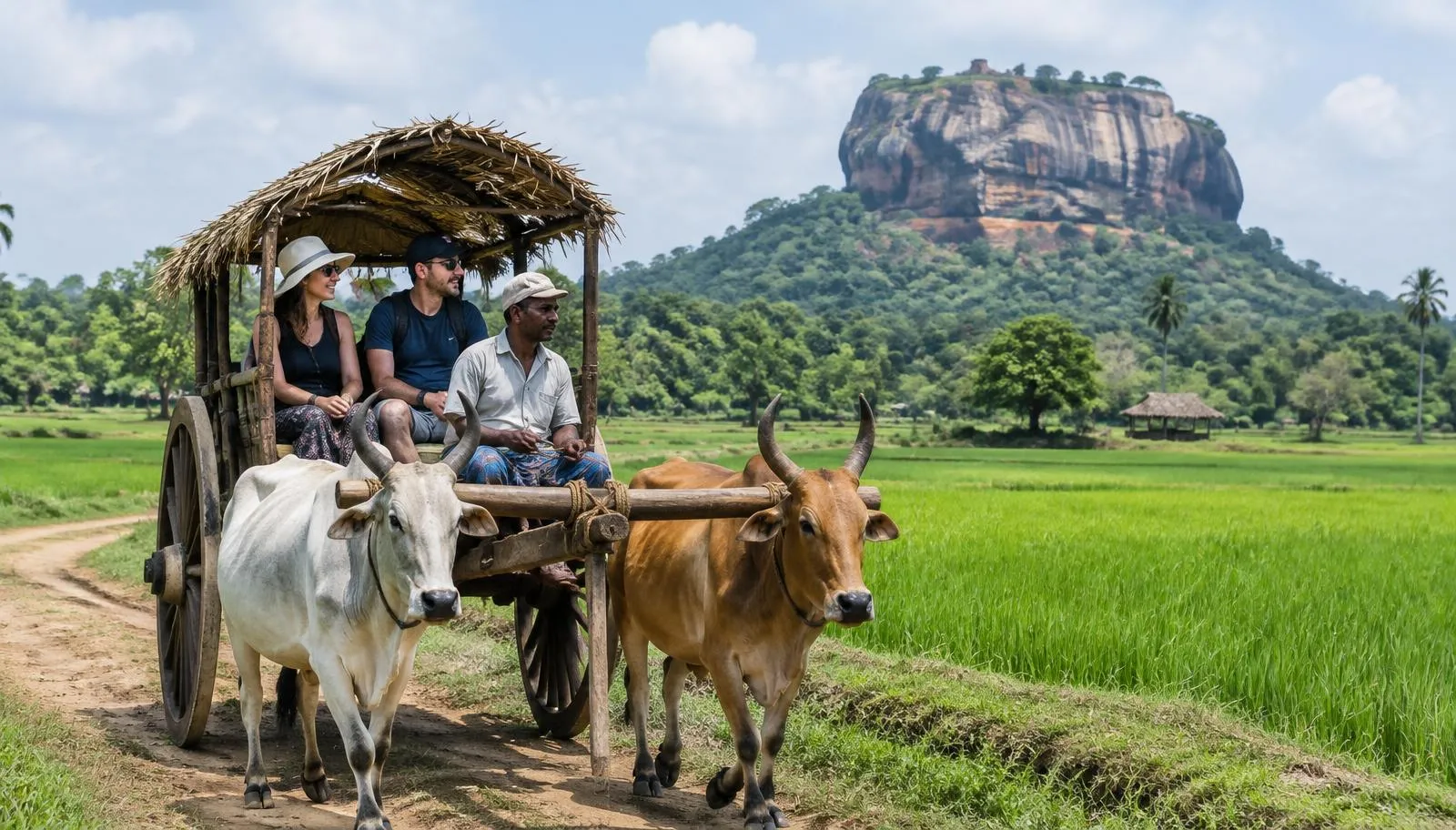
Sigiriya Village Tour
Step into the rhythms of rural Sri Lanka with a Sigiriya village tour featuring traditional lake boating, farmland exploration, and home-cooked culinary demonstrations. Ashi Travels provides reliable private transport and custom itinerary planning with booking directly via WhatsApp.
About this activity
Overview of the Sigiriya Village Tour
The Sigiriya village tour is one of the most rewarding cultural experiences available in Sri Lanka Cultural Triangle. While the ancient rock fortress of Sigiriya commands international attention for its bold vertical architecture and royal history, the rural settlements surrounding it offer an entirely different window into the island heritage. Taking place primarily around the hamlets of Sigiriya and neighbouring Hiriwadunna, this immersive activity invites travellers to leave the paved main roads behind and step into the unhurried rhythms of village life.
The tour is designed as an interactive circuit combining several distinct facets of rural life. Guests travel along unpaved cart tracks bordered by tall grasses and dry zone vegetation, cross expansive artificial reservoirs known locally as wewas on traditional double-hulled boats, and visit traditional mud-plastered dwellings where regional culinary traditions remain alive and well. It provides a tactile contrast to the monumental archaeology of the surrounding ancient cities, trading stone carvings and museum galleries for the smell of firewood, the sound of tropical birds skimming across lotus blossoms, and the taste of freshly scraped coconut.
Ashi Travels acts as your personal transport partner, providing clean, air-conditioned vehicles and experienced drivers who collect you directly from your hotel, bring you to the village meeting point, coordinate with local community hosts, and remain on hand until you are safely transferred to your next destination. Because our services are organised individually through direct WhatsApp communication, your timing remains flexible, allowing you to enjoy the countryside without feeling rushed by rigid group tour schedules.
Why Experience a Traditional Village Safari in Sri Lanka
Modern tourism in Sri Lanka often moves quickly between celebrated highlights like tea factories, wildlife safaris, and World Heritage ruins. While these destinations are undeniably spectacular, they can occasionally insulate travellers from everyday rural customs. A village safari in Sri Lanka offers a grounded perspective, giving you time to observe how local farming communities live in harmony with the natural environment and how ancient hydraulic engineering still underpins dry zone agriculture.
First, the tour brings you into direct contact with the agricultural heritage of the dry zone. Sri Lanka North Central Province relies heavily on ancient cascade tank systems originally constructed more than a millennium ago. These interconnected reservoirs capture monsoon rains, sustain local biodiversity, and irrigate paddy fields and chena plots throughout prolonged dry periods. Experiencing this landscape on foot, by cart, and by water offers a comprehensive understanding of human adaptation and balance in tropical ecosystems.
Second, the culinary component is unmatched. Rather than sampling curries from a hotel buffet warmer, you watch village cooks process ingredients from raw farm produce using ancestral implements. You see how raw rice is de-husked using a wooden pestle and mortar, how coconut milk is extracted by hand, and how clay pots over low wood fires transform fresh vegetables, lake greens, and spices into vibrant curries. The resulting meal, served piping hot on a freshly cut lotus leaf, provides one of the freshest gastronomic experiences anywhere on the island.
Finally, the activity provides a tranquil pause in an otherwise busy travel itinerary. Gliding across a mirror-like lake while kingfishers hover overhead and water lilies drift beside your wooden boat allows for genuine mindfulness. It is a slow travel experience that appeals equally to solo explorers, couples seeking memorable cultural encounters, and families with young children eager for hands-on discovery.
Location and Travel Times
The primary staging areas for village tours are concentrated around Sigiriya village and the nearby agricultural hub of Hiriwadunna, situated just outside Habarana. Both locations are positioned squarely within the Cultural Triangle in Sri Lanka Central and North Central provinces. The landscape is characterized by flat, dry-zone plains punctuated by dramatic granite inselbergs, dense scrub forests, and expansive water storage tanks.
Reaching the area requires private road transport, as direct rail options drop passengers at stations such as Habarana or Gal Oya, from which vehicle transfers are still necessary. Ashi Travels provides dedicated private cars, comfortable passenger vans, and minibuses with skilled drivers to make your journey straightforward and relaxing.
Approximate driving times by private vehicle to the Sigiriya and Hiriwadunna area are as follows:
- From Colombo City: Approximately 4 to 5 hours, depending on departure time, route selection, and urban traffic leaving the Western Province.
- From Bandaranaike International Airport (Katunayake): Approximately 3.5 to 4.5 hours along the Central Expressway and Kurunegala highway corridor.
- From Kandy: Approximately 2.5 to 3 hours through Matale and Dambulla, winding out of the central highlands onto the northern plains.
- From Galle and the South Coast: Approximately 5.5 to 6.5 hours via the Southern Expressway and inland arterial roads.
- From Habarana: A brief 10 to 15 minute drive to the Hiriwadunna staging points.
- From Dambulla: Approximately 25 to 35 minutes depending on your exact hotel location.
- From Polonnaruwa: Approximately 1 hour across scenic rural highways.
Because road conditions, ongoing maintenance, and seasonal holiday traffic can influence these estimates, your Ashi Travels driver will advise you on optimal departure times. When you communicate with us via WhatsApp, we help you plan your itinerary so your road transfers fit naturally around your desired tour timing.
Best Time of Year and Daily Timing
The dry zone around Sigiriya experiences a tropical climate governed by the Northeast Monsoon and inter-monsoonal weather patterns. Planning your visit around season and time of day ensures maximum comfort and visual splendour.
Seasonally, the region enjoys predominantly dry and sunny weather from January through September. May through September can be quite warm and breezy, while January through April brings warm days, cooler evenings, and lush greenery from the preceding rains. October, November, and December constitute the primary monsoon season in the Cultural Triangle, bringing frequent afternoon showers. Village tours continue during the rainy months, but routes may be adjusted to accommodate muddy tracks, and waterproof coverings are provided for boat rides.
Daily timing is equally critical for the best experience. We strongly recommend scheduling your village tour during two key windows:
- The Morning Tour (08:30 AM to 11:30 AM): The morning window provides pleasant temperatures, active birdlife, open water lily blossoms across the lake, and comfortable light for photography. This option culminates perfectly in an early lunch at the village homestead.
- The Late Afternoon Tour (02:30 PM to 05:30 PM): The afternoon window offers softer golden sunlight, cooler breezes across the water, and peaceful vistas as the sun lowers toward the horizon behind the distant silhouette of the Sigiriya rock fortress. An afternoon tour typically substitutes the heavy lunch for an authentic country tea featuring herbal infusions, fresh jaggery, and fried sweet treats.
Midday tours (12:00 PM to 02:00 PM) can become intensely hot under the direct dry zone sun, particularly during the boat crossing and open walking sections. Your Ashi Travels driver will coordinate pickup times to help you avoid the most punishing midday heat.
What to Expect Step by Step
A full village tour experience comprises several structured stages that together form a complete circular journey through the rural landscape. While individual community operators may present minor sequence variations, the core sequence remains consistent.
Phase 1: Arrival and Countryside Transit
Your Ashi Travels driver will bring you to the designated starting area, often situated near Habarana or along a quiet side lane in Sigiriya. Here, you meet your local village guides. The first leg of the excursion takes you along unpaved red earth tracks through farmland, tall grass thickets, and shaded tree tunnels.
Traditionally, this portion is carried out using a pair-drawn bullock cart fitted with woven palm frond canopies to provide shade. Sitting atop the wooden cart, you travel at a gentle, rhythmic pace, listening to the creak of wooden wheels and the calls of nearby birds. For travellers who prefer not to participate in animal-drawn transport out of ethical preference, modern village cooperatives also provide tractor-drawn trailers or open-air tuk-tuks to navigate this section. Ashi Travels can help convey your preference to the local organisers when coordinating via WhatsApp.
Phase 2: Catamaran Ride on the Village Tank
At the water edge of the lake (wewa), you disembark from the cart and transition to a traditional catamaran, locally known as an oruwa or paired-canoe craft. These wooden vessels feature stabilizing outriggers or paired hulls lashed together with timber planks, creating a remarkably stable platform that glides smoothly over calm shallow waters.
As the boatman paddles using a long wooden oar or bamboo push-pole, you float past vast fields of pink and white lotus flowers and floating lily pads. The boatman often crafts whimsical hats or umbrellas out of broad lotus leaves for passengers to wear against the sun. From the middle of the water, you are treated to sweeping views across the forest canopy, with the striking silhouettes of Sigiriya Rock Fortress and Pidurangala Rock rising dramatically in the distance. The reservoir supports diverse bird species including purple herons, white-bellied sea eagles, kingfishers, and little cormorants, making this section a highlight for photographers.
Phase 3: The Traditional Chena Farmstead
The boat brings you ashore near a traditional chena cultivation plot. Chena is Sri Lanka historical slash-and-burn dryland agriculture, where seasonal crops such as millet (kurakkan), maize, pumpkin, green chillies, and aubergines are grown without industrial machinery.
At the farmstead, you will see a traditional treehouse built high in the branches of a sturdy wild tree. Village farmers spend their nights in these elevated platforms to guard ripening crops against wild elephants, wild boars, and deer that emerge from the forest after sunset. You are welcomed into a simple, beautiful dwelling constructed from wattle-and-daub (clay and sticks) with a thatched roof made of dried woven coconut palm leaves (cadjan). A cool, refreshing drink is served, often consisting of freshly tapped king coconut water straight from the shell or a cup of warm ginger-infused belimal (bael fruit flower) herbal tea sweetened with a piece of dark palm jaggery.
Phase 4: Authentic Village Cooking Demonstration
Inside the open-air kitchen, the female head of the household invites you into the culinary space. The kitchen is clean and minimalist, centered on a raised hearth built from clay and fueled by dry jungle branches. Here, guests witness firsthand the labor-intensive techniques that define rural Sri Lankan home cooking.
You will observe and take part in processing raw ingredients: - Paddy Husking: Using a heavy wooden pestle in a carved stone or wooden mortar to separate rice grains from golden husks, followed by winnowing on a woven reed tray (kulla). - Spice Grinding: Crushing garlic, ginger, fresh turmeric, and chillies on an ancient granite grinding stone (miris gala) until a silky aromatic paste is formed. - Coconut Scraping: Sitting on an iron-bladed wooden bench scraper (hiramanaya) to shred snowy flakes of fresh coconut meat, which are then squeezed with water to yield rich coconut milk. - Roti Making: Rolling dough made from wheat flour or kurakkan (finger millet) mixed with scraped coconut, then baking the flatbread directly over an earthenware griddle.
The host explains the medicinal and digestive properties of indigenous herbs and spices used in everyday village cuisine, turning the demonstration into an educational masterclass.
Phase 5: Traditional Sri Lankan Lunch
Following the culinary demonstration, you are invited to sit down at rustic wooden tables. The meal is served buffet-style from unglazed earthenware pots (chatti), keeping the curries steaming hot and infusing them with an earthy aroma.
Food is traditionally served on broad, freshly cut lotus leaves that serve as plates. A standard village feast includes: - Steaming red or white country rice - Creamy dhal (lentil curry) simmered in thick coconut milk - Freshly prepared pol sambol (spicy shredded coconut with red onion, lime, and chilli) - Seasonal vegetable curries such as snake gourd, green beans, or sweet pumpkin - Fried lake fish caught by local fishermen, seasoned simply with salt and turmeric (vegetarian alternatives are always available) - Deep-fried papadum crisps and fried dried salted chillies - Cool gotu kola sambol or other fresh pennywort salad tossed with lime
Eating with your hands is encouraged in the traditional style, though spoons are readily provided upon request. The meal finishes with fresh seasonal fruit like small sweet sour bananas or papaya, and buffalo curd drizzled with natural kithul treacle.
Phase 6: Tuk-Tuk Return Journey
After lunch and quiet conversation, your rural loop concludes with a short, lively transfer aboard an open-sided three-wheeler (tuk-tuk). The vehicle maneuvers deftly through narrow village trails, weaving past banana plantations, small wooden fences, and sun-dappled groves.
The tuk-tuk drops you directly back at the main transport staging point where your Ashi Travels vehicle and private driver are parked and waiting. You can transition back into the cool, air-conditioned interior of your private car or van, ready to head back to your resort or proceed to your afternoon sightseeing destination.
Who This Tour Suits and Safety Considerations
The Sigiriya village tour is a versatile excursion suitable for nearly every travel demographic, provided expectations are aligned with a rustic outdoor environment.
Families with Children
This tour is exceptionally popular with families. Children who may tire of historical ruins and museum signage are consistently engaged by the animal interactions, boat rides, lotus-leaf hats, and hands-on cooking steps. Husking rice with a giant pestle and watching flatbreads bake on an open fire feels like an adventure rather than a lecture.
Couples and Solo Travellers
Couples appreciate the quiet romance of drifting across a tranquil lake surrounded by panoramic landscape views. Solo travellers benefit from the intimate, friendly hospitality of the village hosts, making it an easy way to connect with local culture without the impersonal feeling of large tour buses.
Mobility Considerations and Senior Travellers
The tour involves moderate physical activity. Getting in and out of the bullock cart, balancing while boarding the catamaran from a muddy or grassy bank, and walking along uneven dirt trails require a basic level of mobility. However, the walking distances are short (rarely exceeding a few hundred metres at a stretch), and the pace is relaxed. If you or a member of your party has mobility limitations, inform Ashi Travels in advance on WhatsApp. We can coordinate with the local operators to adjust the route, minimize walking, or substitute certain transit segments with vehicle transfers wherever feasible.
Water Safety
The catamaran ride crosses calm, shallow reservoir waters. The local boatmen are intimately familiar with the lake bottom and seasonal depth changes. Standard life jackets are kept available for passengers. We recommend that non-swimmers and children wear the life jackets provided, and our drivers ensure you are properly equipped before embarking onto the vessel.
What to Wear and What to Bring
Because the village safari takes place outdoors in a warm, rural setting, practical preparation will enhance your comfort.
Recommended Clothing - Lightweight, breathable cotton or linen clothing in neutral or light colours. - Loose trousers, culottes, or knee-length shorts are ideal for easily climbing in and out of carts and boats. - Modest attire is appreciated in rural villages; while resort wear is fine by the pool, covering shoulders and thighs shows respect for your local hosts. - A wide-brimmed sun hat or cap is vital, especially during open boat crossings.
Footwear Choices - Comfortable walking sandals with secure straps or breathable slip-on walking shoes. - Avoid stiff, heavy hiking boots or expensive suede shoes, as trails can be dusty in the dry season and muddy near the water edge. - You will be asked to remove your shoes when stepping onto mats inside the living quarters of the village hut, so easily removable footwear is ideal.
Essential Items to Carry - High-SPF sunscreen and UV-protective sunglasses. - Quality insect repellent to ward off mosquitoes and midges, particularly near the lake or during early morning and late afternoon hours. - A camera or smartphone with ample storage, as photo opportunities are frequent and picturesque. - Hand sanitizer or moist wipes for cleaning hands before and after meals and cooking activities. - A modest amount of Sri Lankan Rupee cash for personal tips, beverage extras, or supporting village handicrafts.
Responsible and Ethical Tourism
Experiencing rural Sri Lanka brings with it a responsibility to protect community dignity, support genuine economic empowerment, and preserve fragile natural habitats.
Supporting Rural Community Livelihoods
The Sigiriya and Hiriwadunna village tours were conceived as community-based tourism initiatives to allow rural families to benefit directly from the tourism boom surrounding the rock fortress. The fees paid for your tour directly support boatmen, home cooks, farmers, and transport drivers who might otherwise receive minimal financial return from mass tourism. Ashi Travels works directly with reputable local village operators, ensuring that your financial contribution circulates directly within the host community.
Animal Welfare Considerations
The traditional bullock cart ride has long been a hallmark of rural transport in the region. Working cattle have historically been central to dry zone farming. However, as an ethical traveler, you have choices. Responsible operators take care of their draught animals, ensuring they are well-fed, hydrated, and worked only for limited hours. If you prefer not to participate in the bullock cart portion, simply notify your Ashi Travels driver. We will happily arrange for you to travel that section by modern tractor trailer or open-air tuk-tuk instead.
Environmental Care and Waste Reduction
Village ecosystems are sensitive to non-biodegradable waste. One of the admirable features of the traditional village lunch is that it is virtually zero-waste: food is cooked in reusable clay pots, served on organic lotus leaves that biodegrade naturally, and leftovers are fed to farm animals. Please respect this harmony by carrying all plastic water bottles, snack wrappers, and personal waste back with you to your vehicle, where your Ashi Travels driver will dispose of them responsibly.
Cultural Sensitivity and Photography
While village hosts welcome photography of the cooking demonstrations, homestead architecture, and landscape, always maintain common courtesy. Ask permission before taking close-up portraits of village elders or children. A polite smile and gesture toward your camera is almost always met with a warm nod. When enjoying the meal, avoid wasteful habits, and take only what you intend to consume; local hospitality is generous, but food is deeply valued in farming communities.
Combining the Village Tour with Cultural Triangle Highlights
Because the Sigiriya village tour lasts approximately 3 to 4 hours, it fits naturally into a broader day of exploration across the Cultural Triangle. With a dedicated Ashi Travels vehicle and driver at your disposal, you can effortlessly combine the village experience with major cultural and wildlife attractions.
Option 1: Sigiriya Rock Fortress in the Early Morning, Village Tour at Midday
This is one of our most popular full-day combinations. Climb the 1,200 steps of the Sigiriya Lion Rock Fortress at 07:00 AM before the heat builds and crowds arrive. Spend two hours exploring the summit ruins, water gardens, and mirror wall. By 10:00 AM, your Ashi Travels driver transfers you a short distance to the village starting point. You unwind on the peaceful catamaran, watch the cooking demonstration, and reward your morning climb with an authentic countryside lunch.
Option 2: Village Tour in the Morning, Minneriya Elephant Safari in the Afternoon
Begin your day at 09:00 AM with the village safari, enjoying the cool morning boat ride, farmstead visit, and lunch. Around 01:30 PM, your driver transfers you toward Minneriya National Park, Kaudulla National Park, or the Hurulu Eco Park (depending on current seasonal elephant movements). Board an open-top four-wheel-drive safari jeep around 02:30 PM to witness the world-famous gathering of wild Asian elephants along the reservoir shores during late afternoon.
Option 3: Dambulla Cave Temple and Pidurangala Rock Combination
Spend your morning exploring the ancient painted cave shrines and monumental Buddha statues at Dambulla Cave Temple. Head to Hiriwadunna for a relaxed village tour and traditional lunch. In the late afternoon, tackle the scenic climb up Pidurangala Rock to catch the sunset over the Sigiriya monolith. Your Ashi Travels driver manages all timing, parking, and luggage storage throughout the day.
Option 4: Polonnaruwa Medieval Capital and Village Safari
If you are fascinated by archaeology, spend your morning touring the royal palaces, stupas, and rock-carved Gal Vihara Buddhas at the UNESCO World Heritage site of Polonnaruwa. In the early afternoon, take the scenic 50-minute drive back toward Habarana for an afternoon village tour and high tea experience as the sun softens.
How Ashi Travels Makes Your Visit Seamless
Organising tours in rural Sri Lanka can sometimes lead to confusion regarding pricing, starting locations, and transport transfers. Ashi Travels removes this friction by serving as your reliable private transport provider throughout your journey.
Private Vehicle and Dedicated Professional Driver
When you book with Ashi Travels, you are not packed onto a crowded tour bus with strangers. You receive a dedicated, air-conditioned private vehicle—whether an efficient sedan, a spacious luxury van, or a minibus—driven by a courteous, professional chauffeur. Your driver knows the local roads intimately, speaks English, and understands how to navigate rural access points safely.
Seamless Hotel Pickup and Drop-off
We collect you directly from your hotel lobby, whether you are staying at an eco-lodge deep in the Sigiriya scrub, a luxury resort in Habarana, or a guesthouse in Dambulla. Your belongings remain safe in your locked vehicle while you are out on the boat or in the village kitchen. Once the tour is complete, your driver is waiting to take you back to your hotel or forward to your next destination without delay.
Independent Transport and Activity Coordination
Ashi Travels provides the private tourist transport service and driver, helping you coordinate with trusted, authentic village tour operators on the ground. We do not operate boats or cooking schools directly; instead, we ensure you connect with genuine community-run experiences, verify availability, and arrive at the right staging point without unnecessary middlemen.
Direct Booking and Communication Exclusively via WhatsApp
We do not use complicated booking engines, credit card pre-authorisations, or inflexible automated forms. All communications, inquiries, route adjustments, and bookings are handled directly via WhatsApp. This allows you to communicate in real time, ask detailed questions about timing, request custom multi-day itineraries, and receive personalized advice tailored to your travel dates.
Practical Tips for the Best Village Experience
To ensure your village safari runs as smoothly as possible, keep these practical points in mind:
- Communicate Dietary Needs Early: Traditional village lunches are naturally vegetarian-friendly, featuring an abundance of fresh pulses, vegetables, and greens. However, if you are strictly vegan, avoid gluten, or have specific food allergies, let us know via WhatsApp beforehand so we can ensure the kitchen prepares appropriate dishes.
- Protect Your Electronics: While the lake crossing is gentle and water is generally calm, keeping your mobile phone or camera in a waterproof pouch or secure dry bag during boarding and disembarking is sensible.
- Maintain Sun Hydration: The dry zone air can be deceptively drying, especially when combined with a breeze on the water. Keep drinking clean water before and after your tour.
- Carry Small Cash Denominations: Having smaller notes (such as 100, 500, or 1000 Sri Lankan Rupee notes) makes it easy to tip your boatman, cart driver, or cooking host directly for outstanding hospitality.
- Stay Flexible with Weather: Brief tropical rain showers can pass quickly. If an unexpected shower occurs, local hosts are well-practiced in providing umbrellas and woven canopies so your experience continues comfortably.
Frequently Asked Questions
What is included in a Sigiriya village tour?
A standard tour package usually encompasses transport along farm tracks via bullock cart, tractor, or tuk-tuk; a guided catamaran boat ride on the village reservoir; a visit to a traditional chena homestead; an interactive culinary demonstration; and a full authentic Sri Lankan countryside meal served on lotus leaves. Because specific inclusions and local activity fees can vary between community hubs, our team at Ashi Travels will explain all current options clearly when you contact us via WhatsApp.
How long does the Sigiriya village tour take?
The activity itself typically takes between 3 and 4 hours from the time you arrive at the village staging area until you finish your tuk-tuk ride back to the vehicle. When planning your schedule, remember to factor in private transfer travel times from your hotel in Sigiriya, Habarana, or Dambulla, which your Ashi Travels driver will coordinate with you.
Is the catamaran boat ride safe for non-swimmers?
Yes, the catamaran ride takes place on calm, sheltered inland reservoir waters that do not experience heavy waves or currents. The boats are designed as wide, double-hulled crafts that offer exceptional balance and stability on the water. Life vests are available on site for guests of all ages, and we recommend that non-swimmers and children wear them throughout the lake crossing.
Can vegetarians or vegans enjoy the village lunch?
Absolutely. In fact, traditional Sri Lankan village food is inherently one of the most plant-forward cuisines in South Asia. The standard menu features lentils cooked in pure coconut milk, multiple vegetable curries, fresh leaf sambols, and rice. Lake fish is often served on the side, but it is kept separate from the plant dishes. Simply inform Ashi Travels on WhatsApp of any dietary preferences so the village hosts can cater to your needs.
What should I wear for the Hiriwadunna village safari?
We recommend wearing lightweight, loose-fitting cotton clothing that covers your shoulders and knees out of respect for village customs. Flat, comfortable walking sandals with secure straps or breathable casual shoes are best for dirt tracks and boarding boats. A wide-brimmed sun hat, sunglasses, and insect repellent are also highly recommended for your comfort during the outdoor activities.
Can I do the tour if I do not want to ride the bullock cart?
Yes. Ashi Travels respects every guest ethical preferences and personal comfort levels. If you prefer not to participate in the bullock cart ride, local operators readily provide alternative transport over the farmland tracks using small motorized farm tractors or open-air three-wheelers (tuk-tuks). Simply mention this to us when messaging on WhatsApp, and we will arrange the route accordingly.
Can the village tour be combined with climbing Sigiriya Rock on the same day?
Yes, this is one of the most popular combinations for visitors to the Cultural Triangle. We recommend climbing Sigiriya Rock Fortress first thing in the morning around 07:00 AM to avoid the midday heat. After descending around 09:30 AM or 10:00 AM, your Ashi Travels driver will transfer you directly to the village tour, where you can unwind on the lake and enjoy a fresh home-cooked lunch.
How do I book the tour and arrange transport with Ashi Travels?
Booking is simple and conducted entirely through WhatsApp. Message Ashi Travels with your preferred date, hotel pickup location, the number of people in your party, and any additional sights you wish to see on that day. Our team will provide an all-inclusive quote for your private vehicle and driver, help coordinate your village safari, and adjust the schedule to match your personal travel pace.
How much does the village tour cost?
Local activity fees and entrance costs for the village tour vary depending on the specific cooperative used, seasonal factors, and whether special menu additions are requested. Transport costs depend on your pickup and drop-off points and the size of vehicle required. Because rates are subject to seasonal change, we do not post fixed figures online. Please message Ashi Travels on WhatsApp to receive an accurate, up-to-date quote based on your exact travel requirements.
Schedule
- 1
08:30 AM - Hotel Pickup by Your Ashi Travels Driver
Your private chauffeur picks you up from your accommodation in Sigiriya, Habarana, or Dambulla in a clean, air-conditioned vehicle.
- 1
09:00 AM - Arrival and Rural Farmland Journey
Arrive at the village tour starting point and board a traditional bullock cart or farm tractor for a slow journey through rural pathways and scrub forests.
- 1
09:45 AM - Catamaran Boat Ride Across the Village Tank
Step aboard a traditional twin-hulled catamaran rowed by a local boatman across the serene lotus-covered waters, taking in panoramic views of Sigiriya and Pidurangala.
- 1
10:30 AM - Traditional Welcome at a Chena Farmstead
Disembark at an authentic village mud-brick hut to receive a warm welcome, fresh king coconut water or herbal tea, and an introduction to local farm life.
- 1
11:00 AM - Culinary Demonstration and Rice Pounding
Watch and participate in grinding spices with a miris gala, husking paddy, making coconut sambol, and cooking seasonal curries over an open firewood hearth.
- 1
12:00 PM - Authentic Countryside Lunch
Sit down to enjoy an aromatic, freshly prepared village lunch served on a natural lotus leaf with an array of fresh curries, lake fish, and crispy papadums.
- 1
01:00 PM - Tuk-Tuk Ride and Onward Journey
Conclude the rural circuit with a brisk three-wheeler ride back to the transfer station, where your Ashi Travels vehicle awaits for your next destination.