
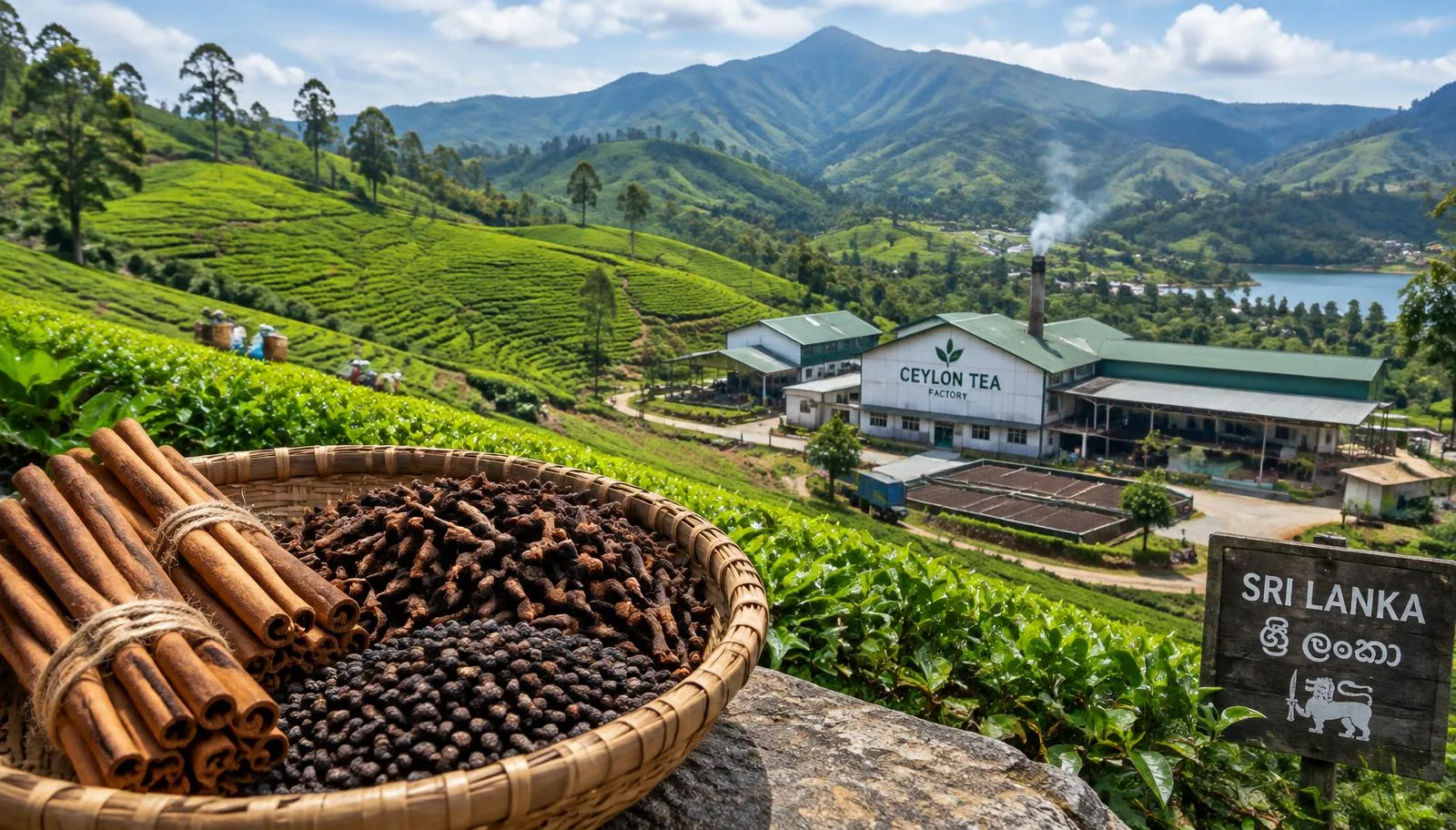
Tea Factory & Herbal Spice Garden Visit
Immerse yourself in the world-renowned agricultural heritage of Sri Lanka on a private day excursion combining a fragrant Matale herbal spice garden with an authentic Hill Country tea factory and plantation. Travel in comfort with Ashi Travels in a dedicated private vehicle, enjoying scenic highland views and personalized service booked directly via WhatsApp.
About this activity
Overview of Sri Lanka's Botanical and Tea Heritage
Sri Lanka holds a celebrated position on the world map as the birthplace of Ceylon tea and the historic heart of the ancient Indian Ocean spice trade. For centuries, maritime explorers, merchants, and botanists traveled to this tropical island drawn by tales of wild cinnamon, pungent black pepper, aromatic cloves, and healing herbal compounds. Later, during the nineteenth century, the mountain slopes of the central massif were transformed into vast, emerald-green carpets of Camellia sinensis, establishing Ceylon tea as the global gold standard for quality, aroma, and refined flavor.
A journey combining a tea factory tour sri lanka with an immersive herbal spice garden sri lanka experience bridges these two remarkable agricultural legacies. This private day tour leads you through two distinct climatic zones: the warm, fertile, semi-tropical soils of Matale in the central foothills, and the cooler, mist-shrouded elevations of the central highlands. By linking both destinations in a single thoughtfully paced itinerary, visitors gain a deep, sensory appreciation for the plants, craftsmanship, and human traditions that shape everyday Sri Lankan life and international trade.
Ashi Travels provides the dedicated private vehicle, professional driver, and door-to-door coordination that turn this cultural exploration into a relaxing, unhurried journey. Because our private tours operate on your timetable, you are never rushed through a garden trail or hurried along a tea factory production floor. From the moment your driver greets you at your hotel lobby until your evening return, every mile of the route is tailored to your curiosity and comfort.
Why Experience a Tea Factory and Herbal Spice Garden Together
Many travelers wonder whether they should prioritize a ceylon tea plantation visit or spend time exploring a matale spice garden. Experiencing both within the same journey provides a rare and complementary look at the island's botanical geography.
First, the transition between the two settings illustrates the dramatic microclimates of Sri Lanka. Within a drive of less than two hours, the environment changes from lush tropical forest basins, where broadleaf spices thrive under dense tree canopies, to high-altitude mountain terrain where constant breezes, cool night temperatures, and passing cloud cover nurture slow-growing tea bushes. Witnessing this transition firsthand helps visitors understand why different crops thrive in specific pockets of the island.
Second, the combination engages all five senses. In a Matale herbal garden, you will touch rough bark, crush fresh cardamom pods between your fingertips, inhale the sweet fragrance of sun-warmed allspice, and taste real Ceylon cinnamon harvested directly from mature stems. Later, at the highland tea factory, the sensory focus shifts to the deep, malty aromas of warm drying leaves, the rhythmic hum of heavy vintage cast-iron rolling machinery, and the brisk, astringent clarity of a fresh cup of estate-grown black tea.
Finally, both industries share deep historical ties. Spices defined Sri Lanka's early global maritime trade under Portuguese, Dutch, and early British mercantile interests. In contrast, commercial tea cultivation emerged after the catastrophic coffee rust fungus wiped out the island's vast coffee estates during the 1860s. Exploring both landscapes in succession reveals how global trade, colonial policies, and indigenous farming wisdom combined over centuries to create modern Sri Lanka.
Where It Is and How to Get There
The central province of Sri Lanka is home to both the Matale agricultural district and the northern boundary of the central tea country. Matale sits immediately north of Kandy, serving as a transitional valley between the central mountain ranges and the dry flat plains of the Cultural Triangle. The highland tea factories featured on this route lie either in the higher hills surrounding Kandy or further south along the dramatic highway passes leading toward Nuwara Eliya and Hatton.
Reaching these destinations is straightforward, especially when traveling in a private, air-conditioned vehicle with an experienced local driver. Public transit options, such as regional buses and commuter trains, are frequently crowded and operate on rigid, slow schedules that make visiting both a spice garden and an active tea factory in one day logistically exhausting. Ashi Travels eliminates these transit barriers by picking you up directly from your accommodation and navigating the scenic mountain roads with professional care.
Approximate travel times by private vehicle include:
- From Kandy: Matale spice gardens are located approximately 25 to 45 minutes (15 to 25 kilometers) north along the A9 highway. The drive from Kandy up to regional tea factories around Kadugannawa, Hantana, or the lower Nuwara Eliya passes typically takes between 30 and 90 minutes, depending on the specific estate selected.
- From Colombo or Bandaranaike International Airport (BIA): Reaching the Matale and central tea regions takes approximately 3 to 4 hours via the Central Expressway and the main Kandy trunk route, depending on urban traffic.
- From the Cultural Triangle (Sigiriya, Dambulla, or Habarana): Matale is positioned directly along the southward route to Kandy, taking approximately 1 hour to 1.5 hours from Dambulla (around 45 to 55 kilometers).
- From Galle and the South Coast: Traveling to the Hill Country tea estates requires approximately 4.5 to 6 hours via the Southern Expressway and inland highland corridors. Many guests choose to undertake this journey as part of a multi-day transfer package with Ashi Travels.
Road surfaces in the central hills are generally well-paved, but the terrain is characterized by tight hairpin bends, narrow bridges, and steep gradients. Having an Ashi Travels private vehicle and dedicated driver allows you to lean back, enjoy the panoramic scenery, and avoid the stress of navigating challenging mountain routes.
Best Time of Year and Seasonality
Both tea plantations and spice gardens can be visited year-round with great satisfaction, as Sri Lanka's tropical climate keeps vegetation lush throughout every calendar month. However, seasonal shifts do bring subtle differences to the experience.
In the central highlands, rainfall patterns are influenced by two distinct monsoon cycles: the Southwest Monsoon from May to September and the Northeast Monsoon from October to January. The Matale district tends to receive significant moisture during the late autumn months, resulting in exceptionally vibrant, aromatic spice foliage. The hill country around Nuwara Eliya and Kandy enjoys drier, sunnier spells between December and April, which is traditionally regarded as the peak tourist season and the high quality season for Western-slope Ceylon teas.
During dry, sunny periods, field plucking is at its most active, allowing visitors to see estate workers gathering fresh two-leaves-and-a-bud flushes across the hillsides. However, visiting during misty or rainy intervals possesses its own unique charm. Cloud banks drifting across emerald tea terraces create iconic photographic scenes, and the warmth of a steaming cup of tea inside a factory tasting room feels particularly comforting on a brisk, overcast afternoon.
Because local weather patterns can shift rapidly across mountain ridges, your Ashi Travels chauffeur monitors local road and weather conditions in real time, adjusting the day's pacing to give you the most pleasant experience possible.
What to Expect Step by Step
The Matale Herbal Garden Experience Your day begins with a visit to a traditional herbal garden sri lanka in the fertile Matale valley. These properties are designed as shaded agricultural nature reserves, combining botanical display paths with organic spice farming. Upon arrival, you will be met by a resident garden naturalist who leads you along leafy, gravel footpaths under a cool canopy of mature jackfruit, mahogany, and coconut palms.
As you walk, your guide introduces the living plants behind everyday kitchen pantry staples. You will examine the wild-looking woody vines of Piper nigrum, where green peppercorns cluster together before being dried in the sun to become black pepper or soaked to produce white pepper. You will discover cardamom plants, which produce precious seed pods along low-running runners near the base of the soil rather than high on their leaves.
A key highlight is the genuine Ceylon cinnamon (Cinnamomum verum) grove. Your guide will explain the distinction between authentic Sri Lankan cinnamon, with its sweet flavor and delicate, multi-layered quills, and common international cassia bark, which is thick, tough, and pungent. You will often see a skilled local harvester demonstrating the delicate art of peeling paper-thin layers of inner bark using traditional curved brass knives.
Throughout the walk, the guide shares traditional Ayurvedic principles, showing you how plants like gotu kola, turmeric, ginger, lemongrass, and neem are used in daily household wellness routines. Following the walking tour, visitors are typically invited to sit in an open-air pavilion to sample spiced herbal teas and observe how essential oils and natural plant balms are pressed and distilled.
The Scenic Journey into the Hills Leaving Matale, your Ashi Travels vehicle climbs into the higher elevations. As the air cools and the palm trees give way to rolling slopes of manicured tea bushes, your driver will point out notable landmarks, historic colonial railway viaducts, and panoramic valley viewpoints. If you spot a photogenic scene or want to stop for fresh king coconut water along the roadside, simply notify your driver. Private travel means never having to ask permission from a large tour bus group.
The Ceylon Tea Plantation Walk Upon arriving at the tea estate, your visit begins in the open fields. Walking among the waist-high Camellia sinensis bushes, you will notice the precise agricultural pruning that keeps the plants at a comfortable height for hand harvesting.
Your estate guide will explain how soil elevation, morning sunlight, rainfall volume, and cool night winds influence the character of the leaf. Low-grown teas (from sea level to 600 meters) produce dark, robust, malty liquors, whereas mid-grown teas (600 to 1,200 meters) offer rich body and color. High-grown teas (above 1,200 meters), cultivated in the crisp alpine air of places like Nuwara Eliya, produce delicate, golden liquors prized for exquisite citrus and floral notes.
Depending on the estate's work schedule, you may observe the estate pluckers moving nimbly between the bushes. With remarkable speed and dexterity, pluckers select only the tender unopened bud and the two youngest leaves, dropping them into baskets or sacks slung across their shoulders. You will learn about the strict weighing stations positioned along the estate tracks, where pluckers bring their harvest twice daily to ensure leaves remain fresh before transport to the factory.
The Factory Walkthrough: Orthodox Tea Manufacture Next, you step inside the historic multi-story factory building, where the air is warm and fragrant with the unmistakable scent of curing tea. Most classic factories in Sri Lanka continue to employ traditional orthodox manufacturing methods, utilizing British-era engineering designs refined over more than a century.
The process follows several meticulous stages:
- Withering: Freshly plucked leaves are spread out over long, elevated troughs called withering beds. Large fans circulate warm air through the leaves for 12 to 18 hours, removing approximately 50 percent of their moisture content and making the leaf supple and pliable.
- Rolling: The withered leaves are fed into circular rolling machines that twist and rupture the leaf cells without tearing them to dust. This process releases natural plant juices and essential enzymes, kickstarting the chemical oxidation process.
- Oxidation (Fermentation): The rolled leaf is spread out onto cool, tiled tables in a humidity-controlled room. As oxygen reacts with the exposed enzymes, the leaf transforms from bright green to a deep coppery-brown, developing its characteristic flavor profile, tannins, and complex aroma.
- Firing (Drying): To stop the oxidation at the exact moment of peak flavor, the leaves pass through a giant industrial hot-air dryer. In approximately 20 minutes, the moisture content is reduced to under three percent, turning the leaf crisp, black, and shelf-stable.
- Sorting and Grading: The dried tea is sifted through vibrating mesh screens and electrostatic separators to divide it into distinct commercial grades based on particle size. You will see whole-leaf grades such as Orange Pekoe (OP), broken grades like Broken Orange Pekoe (BOP), and finely ground fannings (BOPF) used in everyday household brewing.
The Professional Tea Tasting Your tour concludes in the estate's tasting salon. Guided by a certified tea master, you will learn the art of professional tea cupping. You will inspect dry leaf grades, examine the coppery infused wet leaf, and slurp freshly brewed liquor from white porcelain cups to aerate the tea across your palate.
During this session, you can compare the delicate, honeyed sweetness of hand-rolled Silver Tips (white tea made exclusively from tender, unoxidized buds) against full-bodied broken black teas and fresh green teas. It is a rewarding sensory finale that deepens your understanding of why authentic Ceylon tea commands global respect.
Who It Suits, Accessibility, and Safety Considerations
A tea factory and herbal spice garden tour is one of the most versatile day trips in Sri Lanka, appealing to a wide spectrum of international travelers:
- Families with Children: Children are naturally fascinated by touching real spices on living branches, cracking open seed pods, and seeing the massive, humming gears inside an operating tea factory. The experience provides an educational, real-world geography and science lesson.
- Couples and Culture Seekers: The unhurried pace, romantic mountain backdrops, and tranquil garden pathways make this an ideal day out for couples looking to connect with authentic island traditions.
- Food and Culinary Enthusiasts: Home cooks, baristas, and epicureans gain invaluable insight into the origins of whole spices, single-origin teas, and traditional culinary pairings.
- Photographers: From the rich textural detail of spice foliage and vintage industrial brass machinery to the vast green geometry of terraced tea hills, photographic opportunities are abundant throughout the journey.
Accessibility and Terrain Considerations Spice gardens generally feature flat or gently sloping dirt and gravel pathways. While paths are largely accessible, tree roots and damp earth can present uneven footing, so individuals using mobility aids may require light assistance.
Tea factories are historic multi-level industrial structures, often built with wooden stairways and raised walkways. Visitors must be comfortable climbing one or two flights of stairs to view the upper withering lofts. The factory floor can be warm, humid, and moderately noisy around the rolling machines. If you or a family member have specific mobility requirements, inform Ashi Travels beforehand so our driver can select an estate facility with convenient vehicle drop-off zones and fewer stairs.
What to Wear and What to Bring
Packing properly ensures maximum comfort as you move between the warmer Matale foothills and the cooler mountain heights.
Recommended Clothing - Lightweight, Breathable Fabrics: Cotton or linen shirts and trousers are ideal for the warm, humid climate of the spice gardens. - Layering Options: The temperature drops noticeably as you ascend into the tea country. Bring a light fleece, cardigan, or windbreaker to stay comfortable inside breezy factory rooms and highland viewpoints. - Comfortable Walking Shoes: Wear closed-toe shoes with sturdy rubber soles. Tea field pathways can be damp, and factory floors may have minor oil or water residues near heavy machinery. - Modest Attire: While tea factories and private gardens do not enforce temple dress codes, respectful, modest clothing (covering shoulders and knees) is appreciated throughout rural Sri Lanka.
Recommended Gear - Sun Protection: Pack a wide-brimmed sun hat, UV-blocking sunglasses, and reef-safe sunscreen for walking through open tea fields. - Compact Umbrella or Rain Poncho: Mountain weather can change quickly; having personal rain gear on hand allows you to continue exploring without disruption. - Insect Repellent: Essential for walking through shaded, damp herbal gardens where mosquitoes can be active. - Reusable Water Bottle: Stay hydrated throughout your walking tours. - Local Currency (Sri Lankan Rupees): While most factory gift shops accept major credit cards, having small cash bills is helpful for purchasing roadside fruits or offering customary tips to local guides and tea pluckers.
Responsible and Ethical Tourism in Gardens and Plantations
Sustainable and respectful travel practices ensure that local communities and agricultural ecosystems continue to flourish. When visiting spice gardens and tea estates, keeping several ethical considerations in mind will make your visit positive for everyone involved.
Supporting Local Estate Communities Tea estate communities possess distinct cultural and historical identities, predominantly tracing back to South Indian Tamil workers who arrived in the nineteenth and twentieth centuries. While many estates provide housing, primary education, and healthcare dispensaries, living and working conditions can be physically demanding.
If you take photographs of tea pluckers working in the field, always ask for permission first with a friendly smile or polite gesture. If an estate worker pauses their work to show you their basket or demonstrate plucking techniques, offering a small, direct gratuity (tip) is a customary and direct way to show your gratitude for their time.
Navigating Spice Garden Demonstrations Herbal gardens in Matale offer free guided tours, supported by on-site wellness shops selling dried spices, essential oils, and herbal remedies. While these products can be wonderful souvenirs, travelers should feel under no obligation to purchase anything. Reliable guides will provide an informative, professional tour regardless of whether you buy items from their dispensary. Ashi Travels drivers select reputable, well-established gardens known for transparent hospitality and low-pressure educational visits.
Environmental Stewardship Always stay on designated paths within both spice gardens and tea estates. Walking directly through delicate tea terraces can cause soil erosion on steep hillsides and damage fragile root structures. Avoid picking leaves, flowers, or raw spices without direct permission from your guide, and ensure all plastic wrappers and personal waste are returned to your vehicle for proper disposal.
Combining with Nearby Sights and Classic Travel Routes
Because Matale and the Hill Country are central to Sri Lanka's geography, this day excursion integrates seamlessly into broader travel itineraries across the island.
Route 1: The Cultural Triangle to Kandy Corridor If you are traveling south from Sigiriya or Dambulla toward Kandy, this experience serves as the ultimate en-route tour. Instead of spending the day on a straightforward transit drive, your Ashi Travels chauffeur can integrate a Matale herbal spice garden visit mid-morning, followed by lunch in Matale, and an afternoon tea factory visit in the hills surrounding Kandy. You arrive at your Kandy hotel in the late afternoon refreshed and culturally enriched.
Route 2: Kandy to Nuwara Eliya Mountain Journey For travelers stationed in Kandy and moving onward to the high-altitude colonial town of Nuwara Eliya, the tea factory experience can be positioned along the iconic mountain highway (A5). This route winds past roaring waterfalls, including Ramboda Falls, and passes some of the island's most legendary high-grown tea estates. Your driver can pause at scenic viewpoints and factory doors before dropping you off at your Nuwara Eliya hillside bungalow.
Route 3: Day Trip from Kandy If you prefer to keep your luggage in one place, this activity package operates wonderfully as an easy round-trip day excursion from any hotel in Kandy. Depart after breakfast, spend the morning discovering spices in Matale, drive up into the hills for an afternoon tea factory tour, and return to Kandy in time for an evening visit to the Temple of the Sacred Tooth Relic or a lakeside dinner.
How Ashi Travels Delivers the Experience
Ashi Travels specializes in premium, private passenger transport throughout Sri Lanka. We believe that true travel luxury lies in freedom, personal space, and the peace of mind that comes with having a dedicated, trustworthy local professional behind the wheel.
Dedicated Fleet Options for Every Group Size Whether you are a solo traveler, a couple, an extended family, or a group of friends, we have the right vehicle to match your journey: - Modern Air-Conditioned Sedans: Perfect for up to three passengers seeking smooth, efficient travel along winding highland roads. - Spacious Passenger Vans (such as Toyota KDH): Providing elevated seating, expansive picture windows, and generous luggage capacity for families and small groups. - Mini-Coaches and Tour Buses: Carefully maintained vehicles designed for larger groups, ensuring everyone travels together in climate-controlled comfort.
The Value of a Professional Chauffeur-Guide Our drivers are not merely navigators; they are courteous, English-speaking brand ambassadors who understand the nuances of Sri Lankan hospitality. Your driver assists with timing your arrivals to avoid peak tourist bus crowds, recommends authentic local lunch spots away from commercial tourist traps, and safely stores your luggage inside the vehicle while you walk the fields. With Ashi Travels, you never have to worry about finding parking, navigating unfamiliar mountain hairpins, or negotiating taxi fares in busy towns.
Simple, Transparent WhatsApp Booking We keep our reservation process straightforward and personal. Ashi Travels does not rely on complicated online booking forms, confusing ticketing tiers, or automated phone systems. Every trip is coordinated directly through WhatsApp with a knowledgeable representative. We discuss your starting location, personal preferences, and travel dates, crafting an itinerary tailored specifically to your needs. Payment conditions and seasonal logistics are clearly communicated upfront, with no hidden surprises.
Practical Travel Tips for Visiting Tea Estates and Spice Gardens
To make your day smooth and memorable, keep these practical tips in mind:
- Start Your Day Early: Beginning your tour around 07:30 or 08:00 AM helps you experience the spice gardens before midday heat builds up and gives you optimal light for tea plantation photography.
- Ask Questions Freely: Resident naturalists and tea factory guides enjoy sharing their deep knowledge. Ask about processing temperatures, different harvest seasons, or traditional family uses for specific herbal plants.
- Avoid Sunday Visits for Active Factory Floors: While tea factory visitor centers and gift shops are open seven days a week, many estate production floors do not run their heavy processing machinery on Sundays, or only run on partial shifts. If seeing the active rolling and drying machinery in full motion is essential to you, coordinate with Ashi Travels via WhatsApp to schedule your tour between Monday and Saturday.
- Check Leaf Plucking Schedules: Similarly, estate pluckers frequently work six days a week, with Sunday reserved as their rest day. Plucking can also wrap up by early afternoon during light harvest seasons, making morning field visits preferable.
- Prepare for Changing Temperatures: The temperature can drop by 5 to 10 degrees Celsius between Matale and higher tea estates. Keep your jacket inside the vehicle cabin rather than packed away in the trunk.
- Keep Cash for Factory Souvenirs: Many prestigious estates sell unblended, factory-fresh single-estate teas that are never exported or sold in ordinary retail supermarkets. Buying directly from the estate factory gift shop ensures maximum freshness and supports the plantation directly.
Frequently Asked Questions
What is the difference between a tea factory tour and a plantation visit? A tea plantation visit refers to exploring the outdoor agricultural fields where Camellia sinensis bushes are grown, cultivated, and hand-plucked by estate workers. A tea factory tour takes place inside the processing facility, where you follow the post-harvest manufacturing process that turns freshly gathered green leaves into dry black tea through withering, rolling, oxidation, drying, and grading. Our day excursion combines both components so you experience the full journey from field to teacup.
Are tea factory and spice garden entrance fees included in the transport? Ashi Travels provides your private vehicle, dedicated chauffeur-guide, fuel, highway tolls, and complete point-to-point transportation. Entrance tickets to specific tea factories or processing tours, as well as optional purchases at spice gardens, are paid directly on-site by guests. Because entrance fees and factory tour policies vary between individual estates and seasonal operational schedules, your Ashi Travels representative will provide current, up-to-date estimates when you plan your trip via WhatsApp.
Is the Matale spice garden tour completely free? Most traditional herbal spice gardens in Matale offer free guided walking tours conducted by resident naturalists. At the end of the tour, guides typically invite visitors into their dispensary or retail shop where Ayurvedic products, spices, and herbal oils are displayed for optional purchase. You are under no obligation to buy products. If you enjoyed your guided walk, offering a personal tip of your choice to your garden guide is customary and appreciated.
Can we visit active tea factories on Sundays? While tea estate visitor centers, museum displays, and tasting rooms generally remain open to the public on Sundays, factory processing machinery is often idle, as pluckers and factory workers typically take their weekly rest day. If watching the historic machinery in full mechanical operation is a high priority for you, we recommend booking your tour between Monday and Saturday. Message Ashi Travels on WhatsApp, and we will confirm which estates are operating machinery on your planned travel date.
What makes Ceylon tea different from other teas around the world? Ceylon tea owes its celebrated reputation to Sri Lanka's unique topography, varied microclimates, and dedicated adherence to traditional orthodox manufacturing. Unlike mass-market CTC (crush, tear, curl) processing used in many industrial tea regions, Sri Lankan factories roll whole and broken leaves gently to preserve delicate essential oils and subtle flavor profiles. Furthermore, variations in altitude across the island yield an astonishing diversity of flavor, ranging from robust, rich low-grown teas to floral, golden high-grown varieties.
How long does a typical tea factory tour take? A standard guided factory tour and tasting session lasts between 45 and 75 minutes. This provides plenty of time to view the withering troughs, inspect the rolling room, see the drying furnaces, watch the grading screens, and enjoy a guided comparative tasting of different tea grades. Adding a relaxed walk through the nearby field terraces typically adds another 30 to 45 minutes.
Is this tour suitable for young children and elderly travelers? Yes, this excursion is highly popular with multigenerational families. The educational, sensory nature of both the spice garden and tea estate holds the interest of children, while older family members appreciate the comfortable, steady pacing. Because you travel in a private Ashi Travels vehicle, your driver can adjust walking durations and schedule comfort breaks whenever needed. Please note that tea factories contain historic staircases; notify us via WhatsApp if someone in your party has limited mobility so we can choose estates with easy access.
Can we purchase authentic spices and tea during the tour? Yes. Both Matale herbal gardens and hill country tea estates maintain retail counters where you can purchase authentic items directly from the source. In the spice gardens, you can find freshly harvested Ceylon cinnamon sticks, whole black peppercorns, cardamom pods, and natural Ayurvedic balms. At the tea factories, you have the opportunity to buy single-estate, unblended tea grades, including rare Silver Tips and premium Broken Orange Pekoe, packaged fresh from recent production runs.
Can this day trip start from Colombo or the south coast? While it is possible to organize this day excursion as an early-morning departure from Colombo, the total driving time will be approximately 3.5 to 4.5 hours each way. From the southern coast (such as Galle or Mirissa), the journey is considerably longer and is best enjoyed as part of a multi-day transfer tour where you stay overnight in Kandy or Nuwara Eliya. Ashi Travels can easily design a custom multi-day itinerary that integrates these visits naturally into your cross-country travels.
How do we book our tea factory and spice garden tour with Ashi Travels? Booking your tour is simple and fast. Just reach out to Ashi Travels via WhatsApp with your preferred travel dates, pickup location, group size, and any special interests or route requests. Our friendly team will reply with clear pricing for your private vehicle and driver, suggest the best itinerary flow for your schedule, and answer any logistical questions to finalize your private adventure.
Schedule
- 1
07:30 AM - Morning Hotel Pickup
Your Ashi Travels private driver meets you at your accommodation in Kandy, Dambulla, or surrounding areas in a clean, climate-controlled vehicle.
- 2
09:00 AM - Matale Herbal and Spice Garden Discovery
Arrive at an established herbal garden in Matale for a walking tour detailing traditional Ayurvedic flora, harvesting techniques, and essential oil processing.
- 3
11:00 AM - Scenic Ascent toward the Hill Country Tea Belt
Relax as your driver navigates winding mountain roads framed by terraced valleys, forest-clad peaks, and seasonal roadside cascades.
- 4
12:30 PM - Relaxed Lunch Break
Stop at a scenic viewpoint restaurant or garden cafe along the route to enjoy authentic Sri Lankan rice and curry or international options.
- 5
01:45 PM - Historic Ceylon Tea Plantation and Factory Tour
Walk through working fields of Camellia sinensis and enter an operational factory to observe withering, rolling, oxidation, drying, and grading machinery.
- 6
03:30 PM - Guided Tea Tasting and Relaxation
Sample unblended single-estate black, green, and specialty white teas while taking in panoramic views of emerald estate hills.
- 7
04:30 PM - Scenic Return Drive
Begin your comfortable journey back down the mountain pass, with flexible stops for local fruit stands or sweeping photography overlooks.
- 8
06:30 PM - Evening Hotel Drop-Off
Your driver returns you directly to your hotel doorstep, ensuring a smooth, safe, and restful end to your day.